-
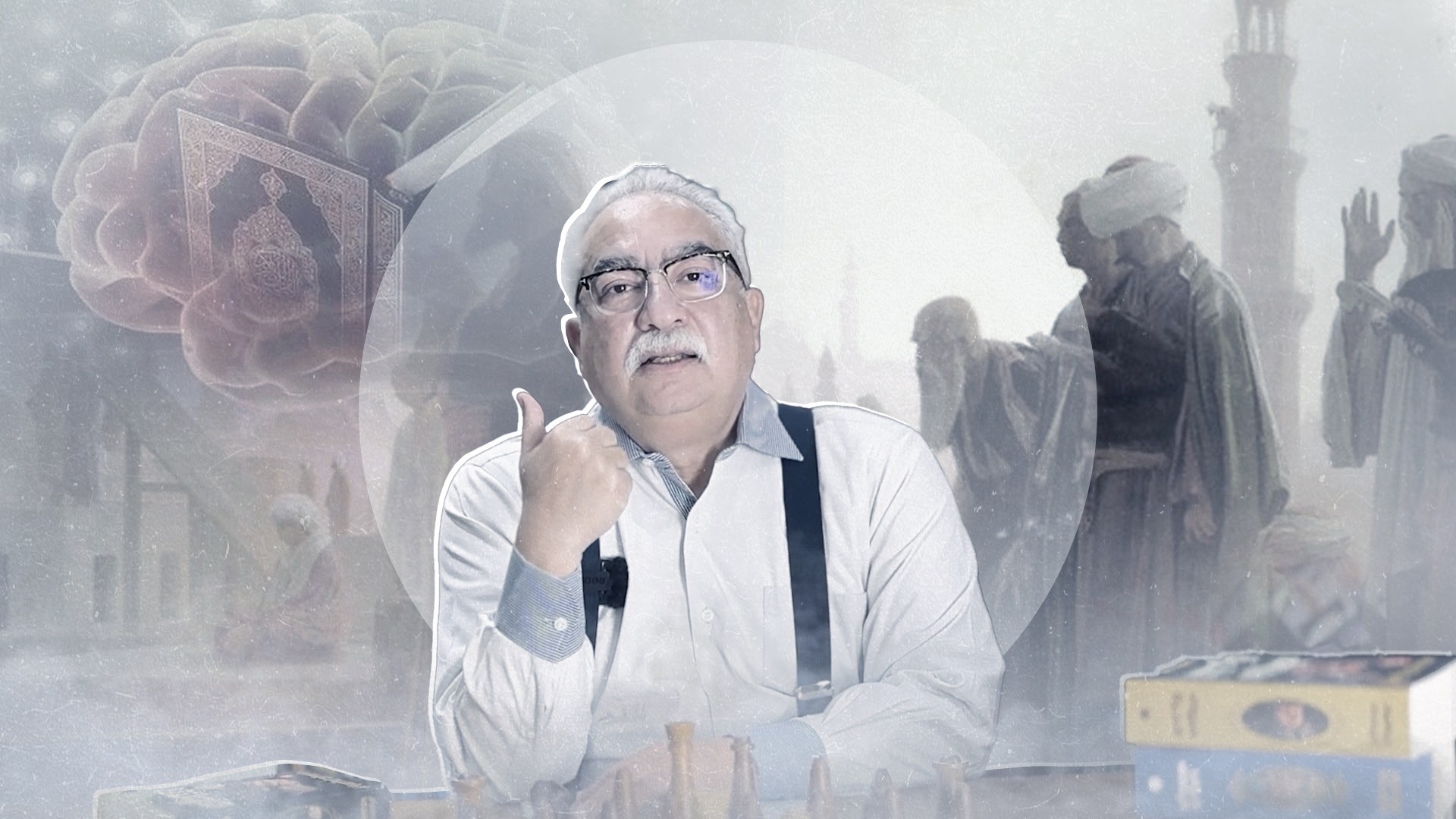
The Role of Reason in Interpreting Religious Texts
This text has been re-edited from an episode of the program by journalist and writer Ibrahim Eissa on Alhurra’s digital platforms, with the wording preserved as closely as possible to how it was presented on screen. One of the most common phrases in our everyday speech and popular thinking is a line people constantly repeat:…
-

The “Abrahamic Religion” Hoax
This text has been edited from an episode of journalist and writer Ibrahim Eissa’s program on Alhurra’s digital platforms, with the aim of preserving as closely as possible the wording and argument as presented on screen. There are horrifying and, of course, highly organized campaigns—persistent, relentless, and energetic campaigns—during which you hear one phrase repeated…
-

The Salafi–Shiite Alliance
In this article, writer and broadcaster Ibrahim Essa raises a question about what he calls the “Salafi–Shiite alliance,” revealing a convergence between two schools of thought that are deeply antagonistic to each other on many issues, yet united in a single discourse that debases women. Essa examines the roots of this position in both Sunni and Shiite traditions and deconstructs the…
-

Prophetic Illiteracy and the Divine Nature of the Qur’an
The writer and media figure Ibrahim Essa raises a long-controversial and emotionally charged question that has often been met with anger and sensitivity: did the Prophet Muhammad’s “illiteracy” necessarily mean that he did not know how to read and write? In this article, Essa examines the concept from linguistic, historical, and religious perspectives, and draws…
-

The Debate Over Religious Heritage
What should be done with religious heritage? That is the question Egyptian writer and journalist Ibrahim Essa takes up in his episode this week on Alhurra’s platforms, as he lays out an ongoing debate between those who argue for preserving religious—especially Islamic—heritage exactly as it is, and those who demand removing it entirely. Essa also…
-

The Trap of Islamophobia
There is perhaps no term that has been manipulated, exploited, and abused as extensively as Islamophobia. The question is: is there truly Islamophobia in the West? I don’t live in the West, but as a Muslim who lives in the East, in the Global South, in the Arab world, it is enough for me to…
-
Do Muslims Need Permission to Think?
In his weekly episode on Alhurra’s digital platforms, writer and journalist Ibrahim Essa poses a stark question: Does a Muslim need permission to think about his religion? He revisits episodes from the history of sectarian intolerance to show how jurisprudential disagreement was repeatedly transformed into a tool of exclusion — and, at times, violence. Essa…
-

The Ordeal of Art
In his weekly program on Alhurra’s digital platforms, author and journalist Ibrahim Essa examines what he describes as the war extremists wage against art. He explains how hardline Salafist movements have long used antagonism toward art as a tool to “drain the public’s emotions” and condition people to accept violence and hatred. Essa argues that…
-

The Sunni Dilemma
In his weekly program on Alhurra’s digital platforms, writer and journalist Ibrahim Essa examines the concept of Ahl al-Sunna wal-Jama‘a (the people of the Sunni sect who adhere to the teachings of the Prophet and his disciples). He asks what importance does the Quran hold in the dominant religious framework and why, over centuries of…
-

Religion Doesn’t Need to Show Off
In his weekly episode on Alhurra’s digital platforms, writer and journalist Ibrahim Essa reflects on what he calls “superficial religiosity.” He asks: How did faith change from a core that underpins morals and behaviors to outward manifestations that are used to judge people? Essa argues that for decades, Islamist movements have focused obsessively on “outer…